
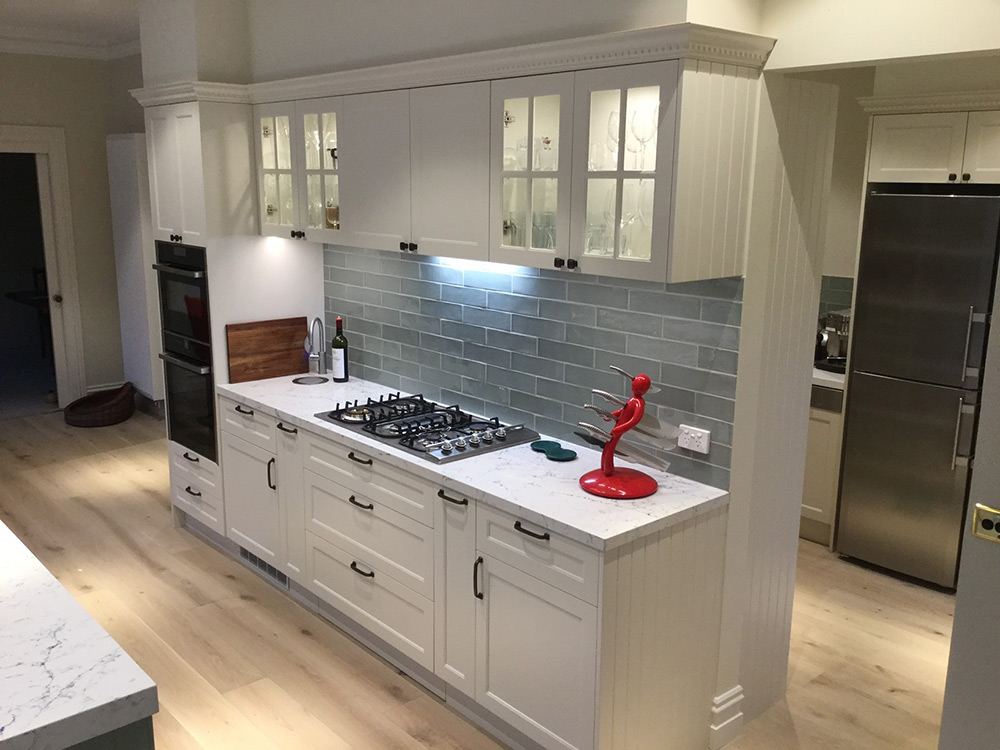
In Melbourne, renovations are booming, bathrooms are being modernised, kitchens are becoming open-plan entertainment hubs, and dated homes are being transformed to suit today’s lifestyle. Yet behind every stylish splashback and sleek stone benchtop sits a foundational element that rarely gets its moment in the spotlight: plumbing. Whether you’re a homeowner dreaming up a luxury bathroom or a builder coordinating multiple trades, plumbing quietly dictates much of what is possible, practical, and compliant during a renovation.
Good Renovations Start With Thoughtful Plumbing Plans
Successful renovation plumbing isn’t simply about connecting pipes. It begins long before demolition, during the design and planning phase. This is where homeowners and builders decide where fixtures will sit, how drainage will flow, how hot water demand will be handled, and how new additions tie into existing systems. Without early consultation, choices become limited, timelines stretch out, and budgets can quickly balloon.
Plumbers play a vital role in feasibility assessments. For example, shifting a toilet across the bathroom might look perfect in a mood board, but if the slab can’t be chased or the existing waste cannot be re-routed, practicality wins over aesthetics. These conversations early in the planning stage prevent frustration later and ensure the renovation aligns with Melbourne’s building and plumbing requirements.
Renovating Bathrooms: Where Plumbing and Design Meet
Bathrooms typically undergo the most complex plumbing changes, especially in older Melbourne homes. Many Victorian-era and mid-century properties across suburbs such as Carlton, Northcote, St Kilda, and Coburg were built long before modern plumbing standards, meaning renovations often involve upgrades behind the scenes as well as visible improvements.
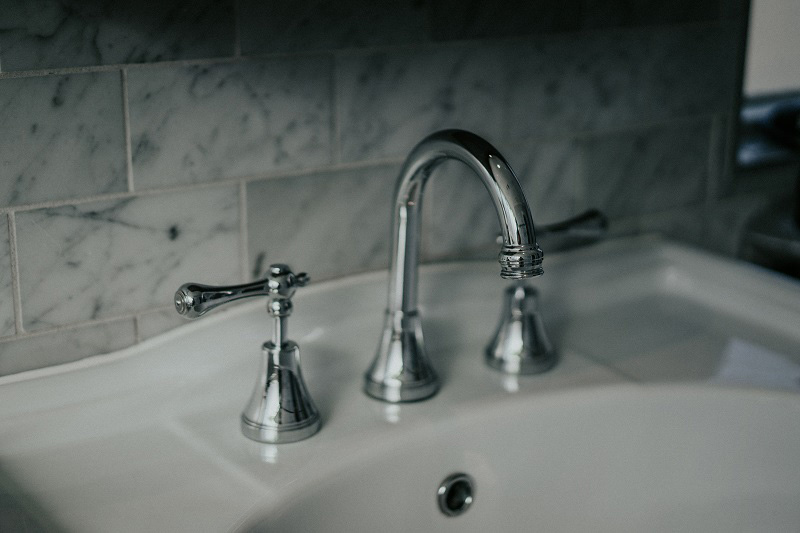
Homeowners tend to focus on tapware and tiles, while builders and plumbers must think about fall for drainage, waterproofing integration, and fixture positioning. A stylish freestanding bath or walk-in shower only functions well when supported by proper pipework, sufficient water pressure, and compliant drainage.
Kitchen Renovations: Functionality Through Clever Plumbing
Modern kitchens have moved beyond merely preparing meals. They now serve as gathering spaces, entertaining zones, and design statements. From dishwashers and filtration taps to fridge water lines, pot-fillers, and island sinks, plumbing quietly enables convenience and functionality.
Renovators must also account for hot water demand, kitchens often sit far from hot water units in older homes, which can cause delays at the tap and increased water wastage. Addressing this during renovation rather than after completion saves on frustration and utility costs.
Laundry Upgrades Are Becoming Smarter and More Efficient
Once relegated to cramped corners or backyard sheds, laundries in Melbourne are now being reimagined as multi-purpose utility rooms with better drainage, improved ventilation, and dedicated hot and cold outlets. Renovations allow for proper waste connections, the addition of troughs, or integration with cabinetry and appliances. These upgrades not only improve daily functionality but also contribute positively to resale appeal.
Outdoor and Alfresco Spaces Need More Than Just Good Design
Alfresco dining spaces, outdoor kitchens, and poolside entertaining areas are increasingly popular in Melbourne’s renovation market. While layouts and materials often drive design decisions, plumbing determines what these spaces can offer. Gas lines for BBQs, water for sinks, and drainage for preparation areas must be incorporated carefully, with compliance and weather considerations at the forefront. External plumbing also requires thoughtful installation to protect against Melbourne’s seasonal weather shifts, particularly prolonged moisture and temperature variations.
Compliance in Victoria: Renovations Must Follow the Rules

Plumbing in Victoria is heavily regulated for good reason; faulty installations can lead to property damage, contamination, safety hazards, or costly disputes. Any renovation involving water, gas, drainage, or sanitary plumbing must be carried out by a licenced plumber who can issue a Plumbing Compliance Certificate, confirming works meet Victorian standards. Builders and homeowners benefit from certificates not only for peace of mind but also for resale value and insurance purposes.
While DIY renovation content is everywhere online, plumbing remains one domain where legal compliance and technical skill cannot be replaced by tutorials. Even minor alterations can require inspections or permits, particularly in bathroom or gas plumbing works.
Behind the Scenes: How Renovation Plumbing Actually Unfolds
Renovation plumbing typically happens in three distinct stages: planning, rough-in, and fit-off, followed by testing and handover. In the planning stage, feasibility and fixture selection are discussed. Rough-in occurs once walls or floors are opened up, allowing pipes and waste lines to be placed before plastering or tiling. Fit-off adds the visible elements, tapware, sinks, toilets, showers, and appliances, once surfaces are finished. Finally, plumbers test pressures, check flow, and ensure there are no leaks or compliance issues. This sequencing also requires careful coordination with tilers, electricians, cabinet makers, and builders to avoid project delays.
Upgrading for the Future: Plumbing Improvements Beyond Aesthetics
Renovations provide the perfect opportunity to modernise plumbing infrastructure. In many older Melbourne properties, pipes are corroded, undersized, or made from materials no longer used under Australian standards. Upgrades improve water pressure, temperature stability, safety, and efficiency. Hot water systems, for example, are commonly replaced during renovations, with Melbourne homeowners increasingly considering continuous-flow gas and heat pump units for better performance and lower ongoing costs.
Water efficiency is another key consideration in a city where water restrictions and conservation remain relevant. Dual-flush toilets, WELS-rated tapware, and low-flow shower heads reduce bills while supporting sustainability efforts without compromising user experience.
What Drives the Cost of Renovation Plumbing in Melbourne

The cost of renovation plumbing varies significantly depending on the age of the home, whether fixtures are moved or kept in place, and how much the existing systems need updating. For homeowners, the biggest cost myths revolve around relocations, moving a shower or toilet across the room can drastically change drainage requirements and labour complexity. Builders also know that unseen conditions inside floors or walls can alter quotes once demolition reveals the true condition of the property.
Quotes become more accurate when renovation plans, fixture selections, and scope are defined early. Vague ideas lead to allowances and variations, whereas clarity allows plumbers to price confidently and coordinate scheduling with other trades.
Why Renovators Benefit From Working With Licensed Plumbers Early
Engaging a plumber only when pipes need changing is a common mistake. Early involvement improves timelines and reduces errors. Experienced plumbers help builders and homeowners avoid pitfalls like insufficient gradients for drainage, under-spec hot water units, or poorly positioned tapware that disrupts cabinetry plans. Renovation plumbing is not merely functional, it shapes design possibilities and user experience long after the renovation is complete.
Renovations Run Smoothly When Trades Communicate Well
Renovations typically juggle carpenters, electricians, tilers, painters, cabinet makers, and plumbers. Each needs the space to work and must complete tasks in a particular sequence. When plumbers are kept informed about fixture arrivals, cabinetry schedules, or demolition setbacks, projects run more smoothly and avoid unnecessary downtime. Builders understand the value of this coordination deeply, and homeowners quickly learn it during their first renovation.
Conclusion: Better Plumbing Means Better Renovations
Renovations in Melbourne demand more than design vision; behind every luxurious bathroom, functional laundry, or well-planned kitchen sits a considered plumbing plan executed by skilled, licenced trades. When plumbing is handled thoughtfully and compliantly, homes feel more comfortable, more efficient, and more valuable, both for daily living and future resale.